

Key Takeaways
- Repeated loads, moisture, and temperature movement slowly weaken concrete pavements.
- Drainage, ground support, and installation quality shape long-term pavement performance.
- Material selection and surface exposure influence cracking, wear, and separation.
- Early maintenance and repair reduce deeper structural damage and cost.
Concrete pavements look solid and dependable at first glance, yet cracks, surface wear, and uneven sections appear sooner or later. You may walk across a pavement daily without noticing small changes, although exposure to load, moisture, and temperature gradually takes a toll.
Understanding why deterioration happens helps owners, contractors, and planners make better decisions early on. When design, installation, and material selection align properly, pavements last longer and remain safer under regular use.
Daily Loads and Repeated Stress
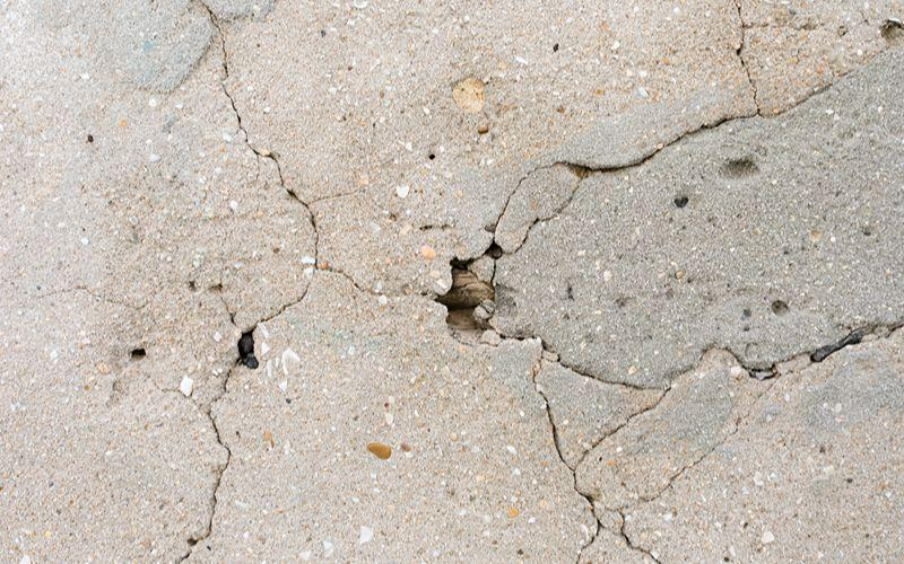
Concrete pavements handle weight from vehicles, equipment, and foot traffic every day. Over time, repeated loading causes internal stress, especially when traffic exceeds original design limits. Small surface cracks may appear first, then widen as pressure continues.
Stress concentration worsens around joints and edges where movement occurs. Without timely concrete pavement repair, minor cracking can spread beneath the surface and weaken the entire slab.
Moisture Exposure and Drainage Issues
Water plays a quiet but persistent role in pavement damage. Rainwater, surface runoff, and trapped moisture seep into pores and joints, then weaken internal structure as drying and wetting cycles repeat.
Poor drainage accelerates damage by allowing water to sit below slabs. High humidity and frequent rainfall, which affect many construction materials in Singapore, increase the need for proper slope design and drainage planning.
Temperature Changes and Expansion Movement
Concrete expands during heat and contracts when temperatures drop. Daily and seasonal shifts cause movement within slabs, placing stress on joints and edges. Without room to move, cracking becomes more likely, particularly where bonding layers like cementitious tile adhesive restrict movement at surface interfaces.
Expansion joints reduce pressure, although incorrect spacing or installation limits effectiveness. Over time, thermal movement contributes to surface separation and uneven sections, especially where repair work remains delayed.
Subgrade Movement and Ground Conditions
Concrete relies on stable ground support beneath each slab. Soil settlement, erosion, or inconsistent compaction allows slabs to shift unevenly, leading to cracks and misalignment.
Ground movement often remains hidden until surface damage appears. In such cases, concrete pavement repair requires attention to both surface damage and underlying support conditions to prevent repeated failure.
Installation Quality and Material Selection
Installation quality plays a direct role in how long pavements perform as expected. Poor curing, inaccurate mix ratios, or hurried finishing weaken the surface early, leaving slabs more vulnerable to wear.
Material selection carries equal weight. Bonding products, including cementitious tile adhesive used around finishes or joint areas, need to match site conditions so adhesion remains stable as temperature and moisture levels change.
Chemical Exposure and Surface Wear
Pavement surfaces come into contact with oils, cleaning solutions, and de-icing products during regular use. Over time, chemical contact wears down the surface layer, which can lead to scaling and abrasion.
Surface wear becomes more noticeable once protective coatings thin out. Using compatible construction materials in Singapore lowers the risk of chemical reactions, particularly across industrial and commercial areas.
Ageing and Maintenance Gaps
All pavements change as years pass, even with careful installation. Fine cracking, fading surfaces, and worn joints appear as materials respond to repeated use and environmental exposure.
Maintenance delays allow minor defects to spread further. Early concrete pavement repair limits surface damage before structural issues develop, helping manage long-term cost and disruption.
Planning for Longevity From the Start
Durable pavements rely on balanced planning, quality materials, and ongoing care. Design choices, drainage planning, and ground preparation shape long-term performance.
Correct installation methods, paired with compatible products such as cementitious tile adhesive where required, work alongside construction materials in Singapore to support consistent performance across varied environments.
Addressing Deterioration Before Damage Spreads
Once deterioration becomes visible, action matters. Ignoring cracks and surface changes allows moisture and movement to worsen internal damage.
Professional assessment identifies whether surface treatment or structural concrete pavement repair suits the situation. Early intervention preserves safety and extends service life. Contact ARDEX-QUICSEAL today to get practical solutions, suitable materials, and reliable methods for managing pavement deterioration before small issues grow larger.