
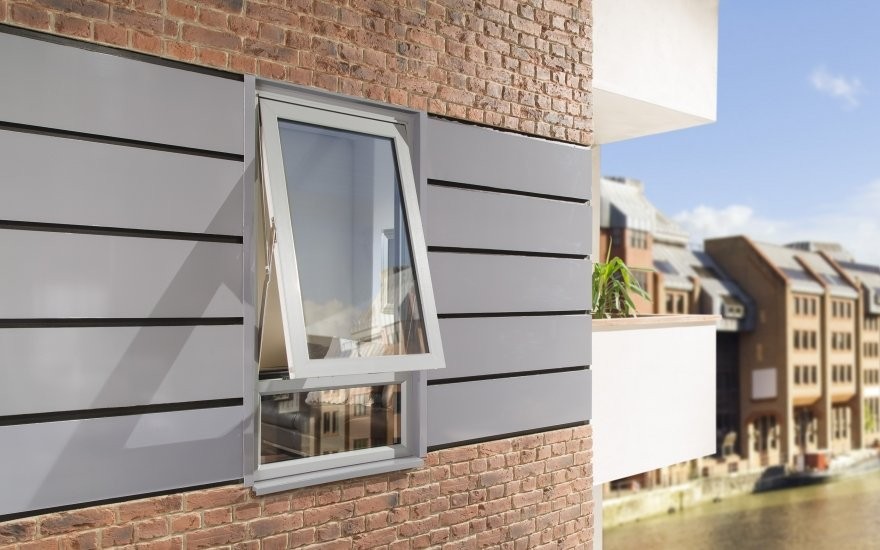

When it comes to choosing windows for your home, the options can feel overwhelming. But one style that stands out for its clever design and practicality is the tilt and turn window. Originating from Europe, this type of window has gained popularity worldwide for its dual functionality. Imagine a window that can tilt inward at the top for secure ventilation or swing open like a door for full access. That’s the magic of the tilt and turn window. In this comprehensive guide, we’ll explore everything you need to know about this innovative window style, from its mechanics to its benefits, helping you decide if it’s the right fit for your living space.
dreje kip vindue isn’t just a functional element; it’s a blend of form and function that can transform how you interact with your home’s exterior. Whether you’re renovating an old house or building a new one, understanding this window type can lead to smarter choices that enhance comfort, security, and energy savings. Let’s dive deeper into what makes the tilt and turn window such a standout option.
The Origins and Evolution of the Tilt and Turn Window
The story of the dreje kip vindue begins in post-war Europe, where efficient and space-saving designs were essential in rebuilding efforts. Countries like Germany and Austria pioneered this style in the mid-20th century, focusing on windows that could provide fresh air without compromising security. Unlike traditional sash windows that slide up and down, the tilt and turn window offered a fresh approach, allowing homeowners to enjoy breezes while keeping intruders at bay.
Over the decades, the tilt and turn window has evolved with advancements in materials and technology. Early versions were made from wood, but today, you’ll find them in durable options like uPVC, aluminum, and even composite frames. This evolution has made the tilt and turn window more accessible and adaptable to various climates and architectural styles. In colder regions, its tight seals help retain heat, while in warmer areas, the tilting feature promotes natural airflow, reducing the need for artificial cooling.
What draws people to the tilt and turn window is its adaptability to modern living. As homes become smarter and more energy-conscious, this window type fits seamlessly into contemporary designs, offering a bridge between traditional craftsmanship and cutting-edge efficiency.
How a Tilt and Turn Window Works
At its core, the tilt and turn window (dreje kip vindue) operates with a simple yet ingenious mechanism. A single handle controls both functions: turn it one way, and the window tilts inward from the top, creating a small opening for ventilation. Twist it another way, and the entire sash swings open inward like a casement door. This dual action is made possible by specialized hinges and locking systems that ensure smooth operation and a secure fit.
The tilting mode is perfect for everyday use, allowing fresh air to circulate while keeping rain out and providing a barrier against falls, especially in homes with children or pets. When you need to clean the exterior glass or let in a full breeze, the turning mode comes into play, giving you easy access without removing screens or climbing ladders. The hardware inside a tilt and turn window includes multi-point locks that engage at several points around the frame, enhancing both security and weather resistance.
Understanding this functionality helps appreciate why the tilt and turn window is favored in urban apartments and suburban homes alike. It’s not just about opening and closing; it’s about creating a versatile interface between indoors and outdoors.
Key Advantages of Choosing a Tilt and Turn Window
One of the primary reasons homeowners opt for a tilt and turn window is its superior ventilation control. In the tilt position, air flows in gently, avoiding drafts that can make rooms uncomfortable. This is particularly beneficial in multi-story buildings where full openings might pose safety risks.
Energy efficiency is another major plus. The tilt and turn window typically features double or triple glazing, combined with airtight seals, which minimize heat loss in winter and keep cool air inside during summer. This can lead to noticeable reductions in utility bills, making it an eco-friendly choice that aligns with sustainable living goals.
Security features set the tilt and turn window apart from older styles. The multi-point locking system makes it difficult for unauthorized entry, and the inward-opening design means it’s harder to force from the outside. For families, this peace of mind is invaluable.
Additionally, the tilt and turn window excels in ease of maintenance. Cleaning both sides of the glass from indoors eliminates the need for exterior access, which is a boon for high-rise residents or those with mobility concerns. Aesthetically, these windows offer a clean, modern look that complements various home exteriors, from minimalist to traditional.
In terms of sound insulation, the robust construction of a tilt and turn window helps dampen external noise, creating a quieter indoor environment. This is especially appealing in busy neighborhoods or near traffic.
Materials and Design Options for Tilt and Turn Windows
When selecting a tilt and turn window, the choice of material plays a crucial role in durability and appearance. uPVC is a popular option due to its low cost, excellent insulation properties, and minimal maintenance needs. It resists fading and doesn’t require painting, making it ideal for long-term use.
Aluminum frames offer a sleek, contemporary vibe and exceptional strength, perfect for larger windows that need to support heavy glass panes. While aluminum conducts heat, modern versions include thermal breaks to improve energy performance.
Wooden tilt and turn windows bring warmth and natural beauty, often chosen for historic renovations or rustic homes. They can be stained or painted to match any decor, though they may require more upkeep to protect against moisture.
Composite materials combine the best of wood and synthetics, providing the look of timber with enhanced weather resistance. No matter the material, customization options abound, from colors and finishes to glazing types like low-E glass for better UV protection.
Design-wise, the tilt and turn window can be configured in single or multiple units, allowing for panoramic views or segmented installations. This flexibility ensures it fits seamlessly into any architectural plan.
Installation and Maintenance of Tilt and Turn Windows
Installing a tilt and turn window requires precision to ensure proper operation and sealing. Professionals typically measure the opening accurately, then secure the frame with anchors and foam insulation to prevent air leaks. The process might take a few hours per window, depending on the home’s structure.
Once installed, maintaining a tilt and turn window is straightforward. Regular cleaning with mild soap and water keeps the frames looking new, while lubricating the hinges and locks annually ensures smooth functionality. Inspecting seals for wear and replacing them as needed helps maintain energy efficiency.
In regions with extreme weather, periodic checks for condensation or drafts can prevent minor issues from escalating. Overall, the low-maintenance nature of the tilt and turn window makes it a practical choice for busy households.
Where Tilt and Turn Windows Shine in Home Design
The versatility of the tilt and turn window makes it suitable for various rooms. In kitchens, the tilting feature allows steam to escape without fully opening the window, keeping insects out. Bedrooms benefit from secure nighttime ventilation, promoting better sleep.
Living areas can feature larger tilt and turn windows for abundant natural light and easy access to patios. Even in bathrooms, where privacy is key, the inward tilt provides airflow without compromising discretion.
For commercial spaces like offices or cafes, the tilt and turn window enhances occupant comfort while maintaining a professional aesthetic. Its adaptability extends to renovations, where it can replace outdated windows without major structural changes.
Energy Efficiency and Environmental Impact
In an era focused on sustainability, the tilt and turn window contributes by reducing energy consumption. Its design supports passive heating and cooling, allowing sunlight to warm interiors in winter and ventilation to cool them in summer.
Paired with energy-efficient glass, a tilt and turn window can achieve high ratings in thermal performance, helping homes meet green building standards. This not only lowers carbon footprints but also appeals to environmentally conscious buyers.
Security and Cost Considerations
Beyond basic locks, advanced tilt and turn window models include reinforced glass and anti-burglary features. These enhancements provide robust protection without sacrificing usability.
Cost-wise, a tilt and turn window varies based on size, material, and features, but its long lifespan and savings on energy make it a worthwhile investment. Comparing options ensures you get value that aligns with your budget.
FAQs
What is the main difference between a tilt and turn window and a casement window?
A tilt and turn window offers two opening modes—tilting for ventilation and turning for full access—while a casement window typically swings open in one direction only.
Are tilt and turn windows suitable for all climates?
Yes, their insulating properties make them effective in both cold and hot climates, with proper glazing enhancing performance.
How do I clean a tilt and turn window?
Simply turn it inward to access both sides of the glass, using a soft cloth and non-abrasive cleaner for best results.
Can tilt and turn windows be customized?
Absolutely, from frame materials to colors and sizes, customization options allow them to match any home style.
Is a tilt and turn window more expensive than traditional windows?
It may have a higher upfront cost due to its advanced mechanism, but energy savings often offset this over time.
Conclusion
The tilt and turn window represents a smart evolution in window design, blending convenience, efficiency, and style. Whether you’re seeking better airflow, enhanced security, or easier maintenance, this window type delivers on multiple fronts. By incorporating a tilt and turn window into your home, you invest in comfort that lasts for years.