
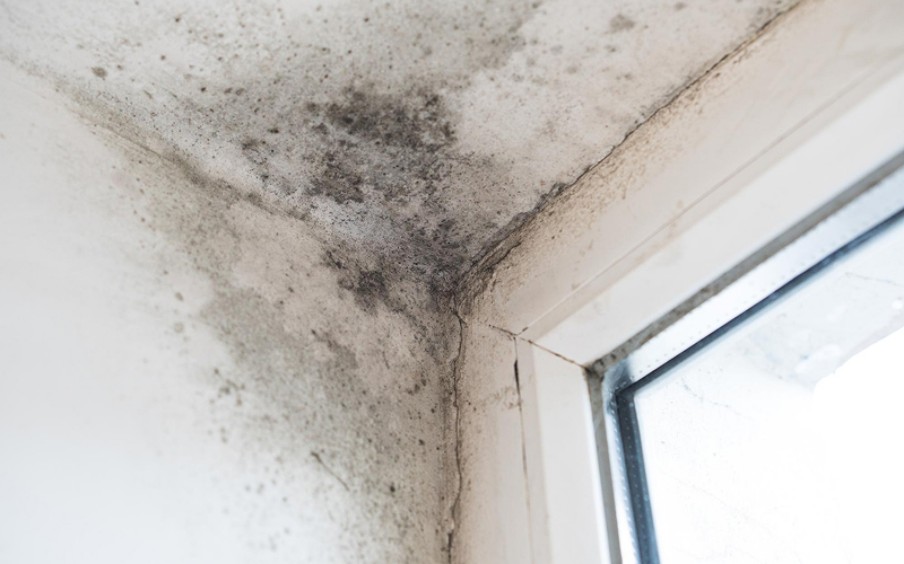
Mould on Ceiling Corners: What Causes It?

author
4 minutes, 3 seconds Read

Key Takeaways

  • Dark specks forming along ceiling corners usually signal mould spores settling where dust and stagnant air collect.
  • Slow airflow and dust buildup near wall‑ceiling joints create conditions where mould colonies begin spreading.
  • Recurring stains after cleaning suggest spores remain active in the room and may indicate hidden mould sources.
  • Early inspection and cleaning of ceiling edges helps limit mould growth before stains spread across corners.

Introduction

Dark specks along the ceiling corner usually mark the start of mould forming in tight spaces,  and corner stains rarely appear without a reason. A mouldy ceiling usually begins in tight spots where spores settle quietly and remain undisturbed. Ceiling corners collect dust, tiny organic particles, and stagnant air. Give mould a snack and a quiet seat, and it happily stays for dinner. Questions usually follow once those marks start spreading. Curiosity quickly turns practical: what causes corner mould and how can it be stopped before the ceiling starts looking like a spotted umbrella? Understanding the triggers behind corner mould helps prevent the problem from creeping further across the ceiling surface.

Why Corners Become Mould Magnets

Air Movement Slows Near Ceiling Edges

Stand beneath a ceiling corner and imagine airflow travelling through the room. Air circulates around the centre but tends to stall near edges where walls meet ceilings. Spores drifting through the air eventually settle there. Dust gathers in the same area, giving mould spores something to feed on. Once settled, colonies start small and expand along the paint line. Slow growth along the edges gradually forms the familiar sight of a mouldy ceiling spreading from a single corner.

Slight Temperature Changes Near the Ceiling

Warm air rises and lingers near the ceiling surface. Corners sometimes trap pockets of slightly different air temperature. Minor shifts create small amounts of condensation along paint lines. Give mould spores a suitable surface and a trace of moisture, and growth begins quietly. When stains repeatedly appear along ceiling edges, some property owners begin exploring mould removal in Singapore, seeking answers about why patches keep returning.

Everyday Habits That Encourage Corner Mould

Dust Accumulation in Hard‑to‑Reach Areas

Look at ceiling corners after a few months without cleaning. Dust quietly builds up where cloths and vacuum heads rarely reach. Dust contains organic particles that mould spores treat like a buffet. Colonies begin small but spread steadily across the surface. Over time the stain widens and creates the patchy look associated with a mouldy ceiling. Regular dust removal reduces the material that feeds mould growth.

Furniture Blocking Natural Airflow

Large wardrobes or shelves placed close to walls sometimes trap air around ceiling corners. Air becomes stagnant in those pockets, which gives spores time to settle. Growth may start as faint grey dots before expanding along the ceiling line. Repeated stains sometimes encourage homeowners to investigate mould removal in Singapore, checking whether hidden mould exists elsewhere in the room.

Warning Signs Mould May Spread

Stains Expanding Along Ceiling Lines

Inspect the upper corner seam carefully for faint marks that begin forming along the painted edge. A single patch often appears first in one corner before slowly travelling along the paint line. Spread usually follows the ceiling line, with mould creeping along the upper corner as the stain gradually widens. As the stain widens, several corners may develop the same pattern, giving the room the tell‑tale appearance of a mouldy ceiling.

Mould Returning After Cleaning

Scrub a stain away only to see it return weeks later? Recurring mould usually signals spores continuing to circulate inside the room. Persistent regrowth leads many homeowners to evaluate mould removal in Singapore, particularly when basic cleaning fails to keep the ceiling clear.

Practical Ways to Handle Corner Mould

Routine Cleaning of Ceiling Edges

Grab a cloth, step ladder, and mild cleaning solution when early mould marks appear. Gentle wiping removes spores and dust that gather along the ceiling line. Regular cleaning interrupts mould growth before colonies expand. Quick attention prevents a small stain from turning into a widespread mouldy ceiling.

When Professional Inspection Helps

Notice mould appearing across several corners or returning repeatedly after cleaning? Hidden mould sources may exist behind paint, furniture, or nearby surfaces. Professional inspections help locate the origin of mould growth and determine the correct treatment. Specialists performing mould removal in Singapore examine affected areas and remove contaminated material when necessary.

Conclusion

Ceiling corners quietly collect dust, spores, and trapped air. Give mould a calm corner and it gladly settles in like an uninvited tenant. Ignoring early stains usually allows the patch to stretch along the ceiling line. Cleaning, improved airflow, and careful inspection help prevent mould from spreading across ceiling edges. Persistent stains may signal deeper mould activity that requires professional evaluation. Check out Mouldgone today to inspect ceiling corners, locate hidden mould sources, and keep indoor ceilings clear before small patches become a larger problem.

Similar Posts

Leave a Reply

Your email address will not be published. Required fields are marked *