

Key Takeaways
- Solar adoption is rising across residential, commercial, and industrial buildings in Singapore
- Cost concerns are easing as efficiency improves and incentives grow
- Building owners now see long-term value beyond short-term savings
- Smart design and planning make solar systems easier to integrate than before
Introduction
Energy conversations in Singapore have changed tone. What once sounded like a niche sustainability chat now feels practical, even necessary. Rising electricity prices, tighter building standards, and a broader push towards greener cities have shifted how energy choices are discussed. Instead of asking whether clean energy fits local buildings, many now ask how soon it can be installed.
This shift explains why a solar panel is no longer seen as a futuristic extra. It has become part of everyday building conversations, from landed homes to office rooftops and industrial spaces. And while environmental benefits still matter, practicality is now doing much of the talking.
From Idealistic To Sensible
Not long ago, solar systems carried a reputation for being expensive and slow to pay off. That perception lingers, but it is increasingly out of date. Improved panel efficiency, smarter inverters, and better energy monitoring tools have changed the equation.
Discussions around solar power cost are now more balanced. Instead of focusing only on upfront figures, building owners consider predictable monthly savings, protection against future tariff hikes, and longer equipment lifespans. The maths feels calmer. Less sales pitch, more spreadsheet.
Why Singapore Buildings Are A Natural Fit
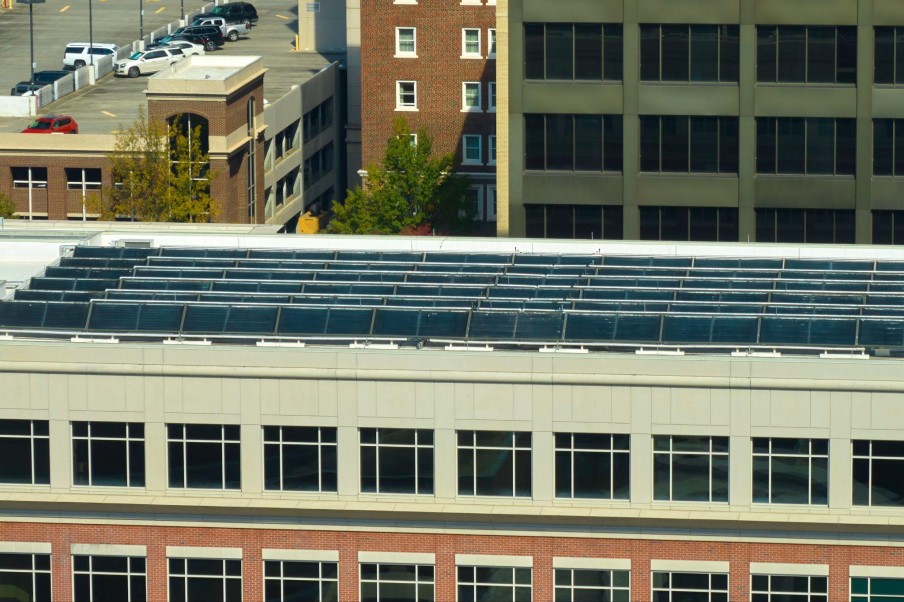
Dense cities usually face limits when it comes to energy generation. Yet solar energy in SG works surprisingly well due to consistent daylight, stable weather patterns, and widespread flat rooftops. Commercial buildings, warehouses, and even carparks offer underused surface areas that quietly soak up sunlight every day.
There is also a regulatory nudge. Sustainability targets and green building certifications increasingly influence property value and tenant appeal. For developers, solar integration now supports market positioning, not just energy goals.
The Comfort Factor People Rarely Mention
Beyond numbers, there is a quieter benefit. Energy independence brings peace of mind. When part of a building’s power comes from its own roof, reliance on grid fluctuations feels less stressful. Facility managers often describe this as operational breathing room rather than outright freedom.
That emotional shift matters. Buildings stop feeling like passive energy consumers and start acting like contributors. It is a subtle mindset change, but one that sticks.
Costs That Feel More Predictable Over Time
Here is the contradiction many notice. Installing a solar panel system still requires investment, yet monthly expenses tend to feel more stable afterwards. This steadiness appeals to businesses managing cash flow and households planning long-term budgets.
Concerns about solar power cost usually fade once energy bills become easier to forecast. Maintenance is simpler than expected, and monitoring apps make performance transparent. Nothing mysterious. Just numbers doing what they should.
Technology Has Quietly Grown Up
Solar technology has matured without much noise. Panels last longer. Performance tracking is clearer. Faults are detected earlier. These upgrades rarely make headlines, yet they shape daily reliability.
In Singapore, where efficiency is prized, this quiet improvement builds trust. Solar panels in SG now align with how modern buildings already operate: measured, efficient, and data-aware.
Planning Makes All The Difference
Success depends less on enthusiasm and more on planning. Roof orientation, shading, load patterns, and future expansion all matter. A well-planned solar panel setup fits naturally into building operations rather than forcing adjustments later.
This is where experienced providers add value. They translate technical assessments into clear decisions, helping owners avoid overbuilding or underusing their systems.
Conclusion
Solar adoption in Singapore is no longer driven by ideals alone. It is shaped by cost clarity, technological maturity, and practical building needs. As conversations around solar power cost become more grounded, and solar panels in SG proves its reliability, the choice feels less symbolic and more sensible.
For building owners ready to explore smarter energy solutions, now is the right time to contact Perry Management Clean Energy and find a system that fits both the building and the budget.