

Key Takeaways
- Designers approach bedroom furniture planning differently when working with small rooms, low-light conditions, or awkward layouts because standard wardrobe templates fail in these settings.
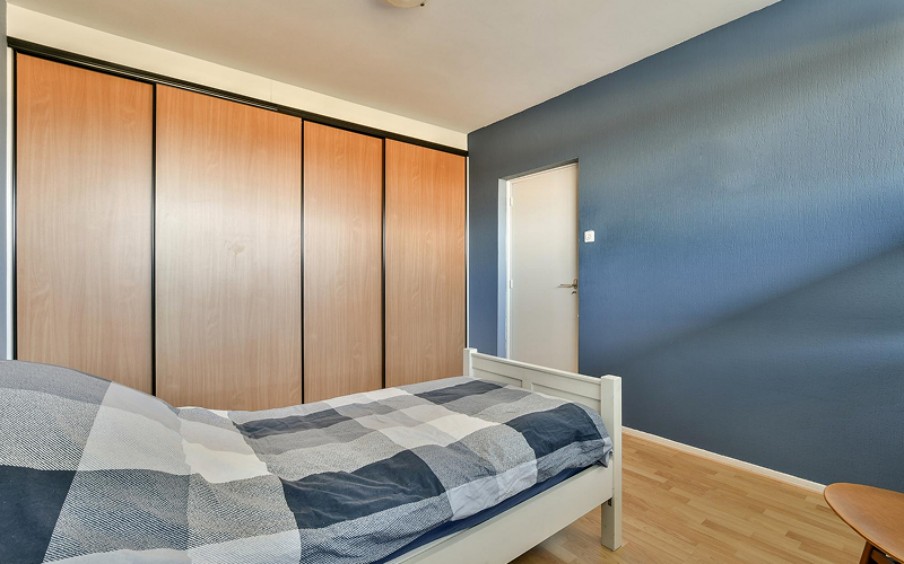
- A custom wardrobe is typically adjusted in depth, door type, and internal layout to prevent visual clutter and physical congestion in tight spaces.
- Lighting conditions and room geometry directly affect material choices, panel finishes, and hardware placement in built-in wardrobes.
- Poor early coordination between wardrobe design and bedroom furniture layout leads to storage that looks adequate on drawings but performs poorly in daily use.