
Why DIY Black Mould Removal Often Goes Wrong at Home

author
3 minutes, 44 seconds Read
Black mould has a habit of appearing quietly, settling into corners, ceilings, and grout lines while pretending to be a minor issue. Many homeowners search for how to remove black mould and feel confident after reading quick tips or watching short videos. The plan usually involves gloves, cleaning products, and a free afternoon. What follows tends to be frustration, repeat cleaning, and stains that refuse to stay gone.

Surface Cleaning Masks the Real Problem

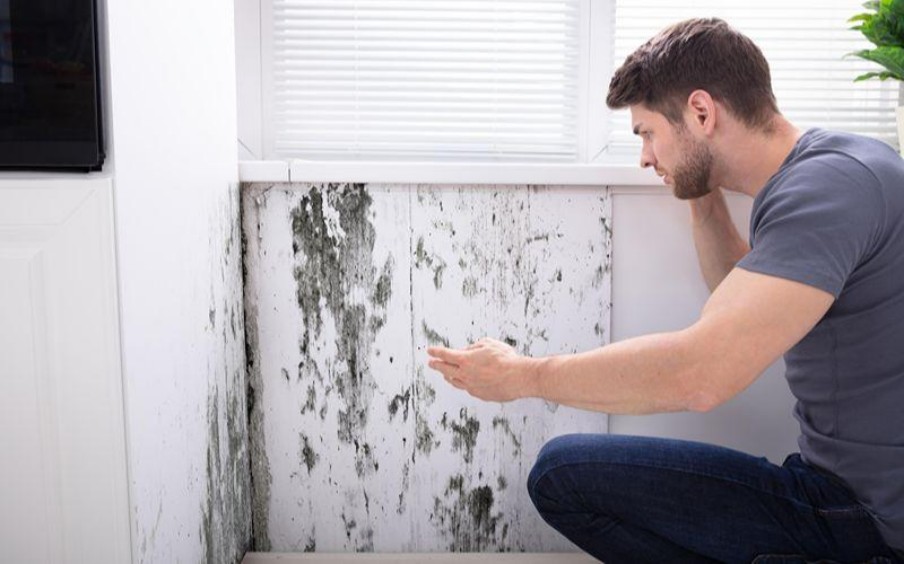
DIY mould removal usually targets what is visible. Scrubbing walls or tiles removes dark marks and gives a sense of progress. Black mould rarely lives only on the surface. It feeds on moisture hidden inside walls, behind cabinets, and within porous materials such as plaster and wood. When deeper growth stays untouched, spores continue to spread through normal airflow. Fans, air-conditioning, and open windows move spores into other areas. Many guides on how to remove black mould focus on appearance while overlooking how deeply mould can embed itself into building materials.

Household Products Create False Confidence

Bleach, vinegar, and baking soda appear in countless home remedies. Bleach lightens stains but struggles to penetrate porous surfaces. The water content in bleach may even add moisture, which mould needs to survive. Vinegar works on some mould types, though results depend heavily on surface material and moisture levels. Short-term results feel encouraging, yet regrowth remains common. Professional remediation reports consistently show mould returning when treatment focuses on colour removal instead of moisture control.

Safety Measures Are Often Inadequate

Black mould releases spores and irritants that affect breathing and skin. Professional safety guidelines recommend sealed masks, protective suits, and controlled airflow. At home, protection usually means a basic mask and an open window. Scrubbing or sanding sends spores into the air, increasing exposure. Many people following instructions on how to remove black mould underestimate how easily spores travel throughout a home, especially during cleaning.

Moisture Sources Remain Untreated

Mould survives because moisture feeds it. Leaking pipes, condensation, poor ventilation, and rising damp create ideal conditions. DIY cleaning rarely addresses these causes. Even careful surface cleaning achieves limited results if moisture problems stay active. A mould removal company typically starts with moisture assessment. Moisture meters and inspection tools identify damp areas that are not visible. Without controlling moisture, mould removal becomes a repeating task instead of a resolved issue.

Cross-Contamination Spreads Growth

Cleaning one area without isolating it spreads spores to nearby rooms. Cloths, sponges, clothing, and vacuum cleaners easily carry mould particles. DIY efforts rarely include containment barriers or specialised filtration. Professional teams isolate affected zones and use air filtration to limit spore movement. Contaminated materials are also handled with care, a standard practice followed by a mould removal company to reduce the chance of spores settling elsewhere in the property.

Building Materials Take Damage

Aggressive scrubbing, sanding, or chemical soaking weakens surfaces. Plasterboard crumbles, wood swells, and paint peels. Repair work then follows repeated cleaning attempts. Industry case studies show material replacement becomes common after prolonged DIY efforts. Professional removal methods aim to limit unnecessary damage while addressing affected sections properly.

Health Effects Develop Over Time

Exposure symptoms rarely appear immediately. Coughing, headaches, sinus irritation, and fatigue may develop slowly. Many homeowners do not connect ongoing symptoms with persistent mould exposure. Health authorities link prolonged mould exposure with respiratory irritation, particularly among children and older adults. Repeated DIY cleaning without proper controls extends exposure periods inside the home.

Professional Processes Address the Whole Issue

Professional mould remediation follows structured steps. Inspections identify moisture sources. Containment limits spore spread. Removal methods suit each surface. Drying equipment reduces humidity. Follow-up checks confirm conditions remain unfavourable for regrowth. Many homeowners contact a mould removal company after multiple failed DIY attempts. Housing and building reports show recurrence rates drop when moisture control accompanies removal.

Knowing When DIY Efforts Fall Short

Small surface spots may appear manageable at first. Repeated regrowth, musty smells, or mould inside walls suggest deeper problems. Continued DIY attempts increase health risks and repair costs. Understanding the limits of how to remove black mould helps homeowners decide when professional involvement becomes practical and sensible.

Choosing a Safer and More Effective Way Forward

Black mould thrives on partial fixes and missed details. DIY cleaning can feel productive while spores continue to spread and moisture remains. Professional services focus on safety, containment, and moisture management using established methods. Contact Mould Guru to explore practical guidance, understand professional mould removal options, and take informed steps toward a healthier living space.

Similar Posts

Leave a Reply

Your email address will not be published. Required fields are marked *