
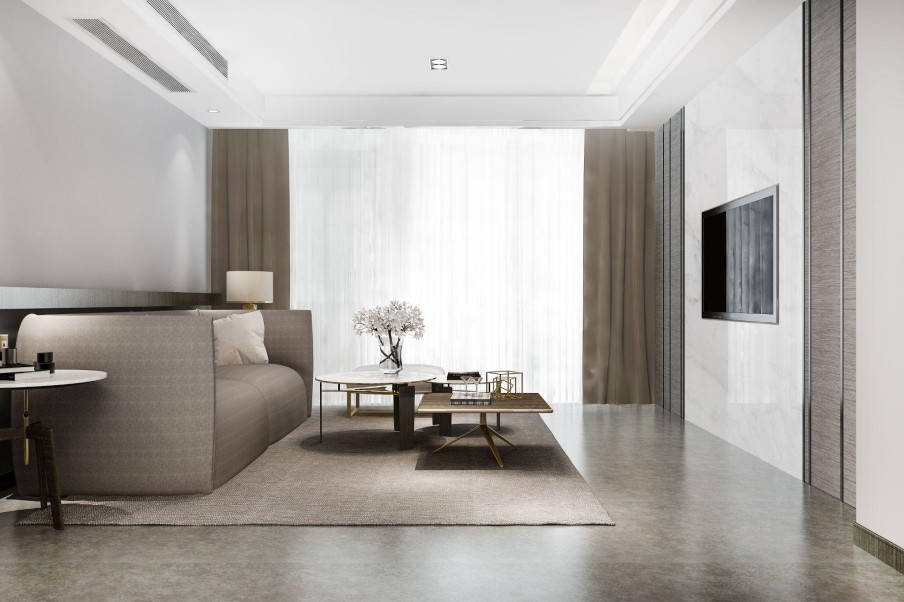

Renovating a new flat calls for clear thinking. Every household runs on habits, space limits, and daily routines. A renovation style that looks good on paper may feel awkward after a few weeks of use. Choosing the right approach means matching layout, fittings, and workflow to how a home actually functions. Early planning keeps explanations short and stress levels easier to manage.
Understanding Lifestyle Before Design Choices
Lifestyle should guide every major decision. Some households cook daily, some return home late, others host extended family gatherings regularly. Storage demands, walking paths, and tolerance for shared spaces differ across homes. Clear discussions during early planning reduce mid-project changes.
Many renovation plans begin with standard layouts that suit average use under a BTO renovation package. Those layouts work in some households but may miss key habits in others. Reviewing space usage room by room helps identify where standard plans work and where changes improve comfort. Lighting placement, storage depth, and circulation paths influence daily ease.
Project feedback from completed flats shows fewer post-handover issues when layouts follow daily routines. Homes planned around real use patterns continue to feel comfortable several years after move-in.
Minimalist Homes for Uncluttered Living
Minimalist interiors focus on restraint. Simple cabinetry lines, limited material changes, and calm colour palettes shape the space. Storage design carries extra importance since clutter stands out quickly. Built-in storage and concealed compartments help keep surfaces clear.
Minimalist designs come with tight workmanship standards while working alongside a Malay renovation contractor in Singapore. Flat surfaces and clean lines leave little room for adjustment during installation. Accurate measurements and careful alignment affect the overall finish more than decorative details.
Updated carpentry processes now use factory-cut panels and pre-applied edging. These methods reduce on-site trimming and help maintain consistency throughout the flat, especially in kitchens and wardrobes.
Modern Interiors That Balance Style and Use
Modern layouts combine clean geometry with practical zoning. Kitchens support both meal preparation and social interaction. Living areas adapt to work, rest, and family time throughout the day. Lighting plays a key role by defining zones without physical partitions.
Standard electrical planning frameworks usually appear under a BTO renovation package with modern styling. These frameworks simplify planning but still need review. Appliance spacing, power point access, and ventilation routes influence usability and safety.
Digital walkthrough tools are now common during planning stages. Reviewing layouts in three dimensions before installation limits layout conflicts and improves scheduling accuracy during renovation works.
Practical Homes for Long-Term Comfort
Practical layouts prioritise durability alongside ease of maintenance. Materials handle regular wear, hinges handle frequent movement, and layouts reduce unused areas. Storage access and clear work zones matter more than decorative finishes.
Coordinated trade sequencing keeps practical layouts organised as households engage a Malay renovation contractor in Singapore. Plumbing, electrical, and carpentry stages follow a clear order. This reduces overlap and limits rework during tight timelines.
Hardware manufacturing improvements now bring higher cycle-rated hinges and drawer runners into common use. Sealed laminates around wet areas also help reduce long-term maintenance needs.
Matching Package Structure to Household Needs
Flexibility within defined limits remains a key benefit of a well-planned BTO renovation package. Modular carpentry options let households adjust selected areas without changing the full scope. This supports more intentional spending based on daily habits.
Cultural and lifestyle considerations are commonly factored in by a Malay renovation contractor in Singapore. Space planning for prayer areas, cooking styles, and extended family visits influences ventilation design, storage layouts, and movement flow in compact flats.
Project records show fewer post-renovation changes when lifestyle needs are discussed before quotations are finalised. Clear expectations support smoother handovers and predictable timelines.
Making Style Choices That Last
Design choices hold up well when guided by maintenance effort and wear patterns. Neutral finishes paired with replaceable accents offer flexibility without locking the home into a specific period style.
Client feedback regularly points to fewer issues where cabinetry interiors and hardware match usage demands instead of surface appearance. Planning shelf loads, swing clearances, and access points keeps fittings reliable over years of use.
Planning Forward with Confidence
Matching renovation style to lifestyle starts with honest planning. Every household adapts its space differently once daily routines settle in. Clear goals, measured choices, and steady coordination support homes that function smoothly without extra effort. Contact Hamid & Sons Interior Design to discuss how renovation styles align with everyday routines and long-term comfort.