
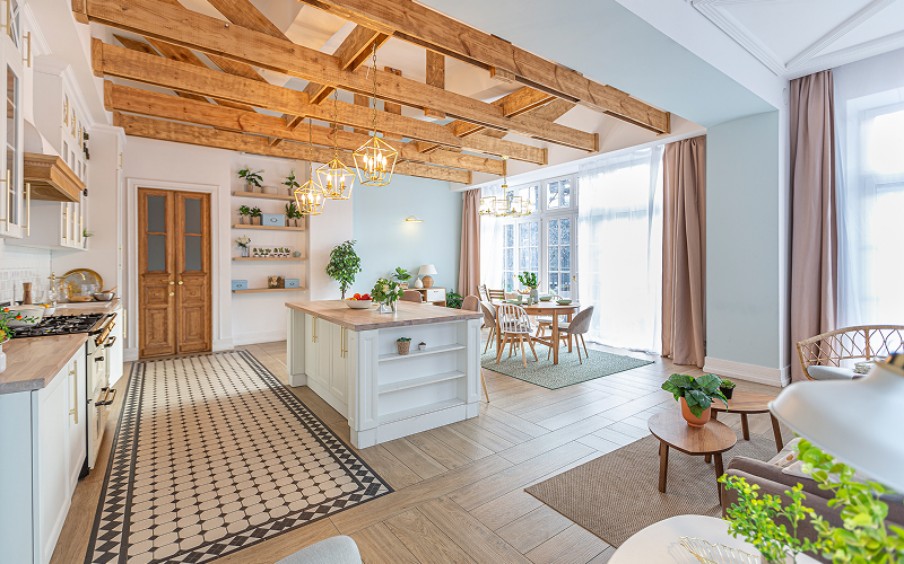

Every home tells a story before a single decision appears on paper. A great deal of tension can arise when habits from old spaces slip into new plans without much thought. This happens quietly, long before colour charts or furniture sketches come into view. This framing helps us understand why harmful practices in residential interior design deserve fresh attention. A little awareness goes a long way when shaping a functional home that feels steady from the start. Several habits tend to introduce subtle structural friction, and understanding them makes it easier to move in a calmer direction.
Overloading the Space with Unplanned Features
One quiet but persistent issue comes from adding features without considering daily use. A room may look charming at first, yet turn congested once activity begins. This becomes especially noticeable when planning for residential interior design because it must absorb the rhythms of ordinary life. Cabinets placed too close together, alcoves that interrupt movement, or walls added for decoration rather than function tend to create bottlenecks. A simple pause early in the planning phase avoids long-term inconvenience and supports a gentler layout for everyone using the home.
Ignoring Natural Light and Blocking Sightlines
The way light moves through a home shapes mood, clarity and flow. When bulky furniture or poorly chosen partitions block these lines, the entire space loses its sense of ease. This issue shows up frequently in BTO interior design, where compact layouts highlight every decision. A blocked window, an oversized headboard, or heavy curtains can undo the balance of the room. Keeping sightlines open leads to better awareness of scale and offers a renewed sense of calm. Even shifting one item can make a surprising difference in how the home feels. A well-considered light plan helps the rest of the design breathe.
Following Trends without Considering Lifestyle
Trends rarely reflect the nuances of personal routines, which is where complications begin. A sleek storage system may look appealing, but fail miserably if the household needs quick access to daily items. A fashionable colour palette may appear lively online yet feel overwhelming during busy mornings. When applied to residential interior design, trend chasing can overshadow habits already working well for the people living there. Homes thrive when shaped around lived routines rather than fleeting styles. Shifting attention toward function first prevents costly redesigns later.
Neglecting Circulation Paths and Maintenance Needs
Movement patterns tell you more about a room than any mood board ever could. When circulation paths tighten, clutter rises, and frustration creeps in. This issue appears frequently during BTO interior design planning because compact apartments require deliberate arrangement. Placing a sofa too near a doorway or selecting large tiles without considering cleaning effort results in slow-building irritation. A room should let people move freely without mental gymnastics. Thinking about maintenance also prompts smarter material choices that age gracefully rather than quickly wearing out.
Forgetting to Build Flexibility into Key Areas
Modern homes shift with seasons, work demands and family changes. A rigid layout traps occupants in outdated decisions. Designing with flexibility in mind invites smoother transitions as life evolves. It becomes a core skill in residential interior design since homes in dense cities face multiple needs within tight footprints. Movable furniture, modular shelving and adaptable lighting allow each room to serve more than one purpose. A flexible mindset prevents future renovation fatigue and encourages healthier long-term use of space. A little foresight keeps the home adaptable without unnecessary strain.
These habits highlight how small choices gradually shape the character of a home. Missteps in residential interior design tend to accumulate quietly rather than dramatically, which makes early awareness valuable. Using practical planning principles helps any project unfold with clarity. A thoughtful approach to materials, circulation paths, lighting and adaptability leads to a space that feels more grounded from the first day of use.
Contact Hoft Interior to begin refining your space with steadier decision making.