
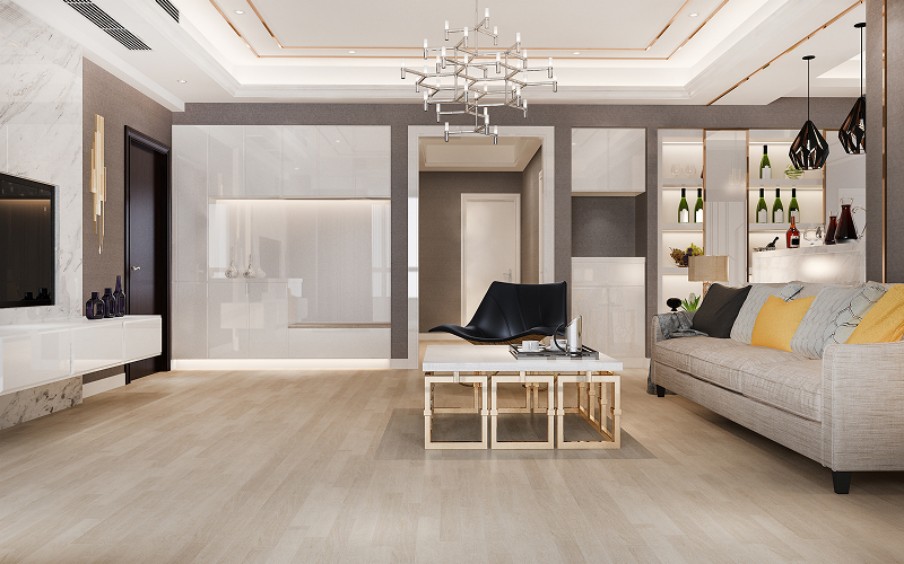

Home renovation in Singapore inspires many homeowners to imagine a refreshed space that works better for daily life, yet the process can stall when details are left unaddressed. Residential interior design relies on a mix of planning, coordination, and realistic expectations, so any hidden gap may disrupt timelines or inflate budgets. Homeowners who understand where issues usually begin can reduce stress later. Many challenges appear simple at first, but they shape the entire experience once work starts.
1. Misjudging How Space Will Be Used
Some homeowners focus on aesthetic upgrades without considering how the room will function after renovation. A new layout may look appealing, but it may not support efficient traffic flow or daily routines. When families underestimate the way they move through their home, design choices become inconvenient. It creates friction between style and practicality, especially when fixtures or built-ins take up more room than expected.
2. Overlooking Structural Limitations Early
Projects sometimes stall because structural restrictions surface too late. Load-bearing walls, plumbing routes, or electrical points influence what can realistically be changed. When these factors are not assessed at the start, homeowners end up revising their plans multiple times. It affects schedules and increases costs since contractors must rework earlier assumptions. Basic checks with qualified professionals help avoid these surprises.
3. Forgetting To Allocate Space For Storage
Storage needs grow as households evolve, yet this detail can disappear behind decorative priorities. A room may appear spacious, but long-term usability shifts once belongings pile up. Integrated storage helps maintain order, especially when balancing visual harmony with daily function. Without early planning, homeowners may later fill corners with temporary solutions that reduce the impact of thoughtful residential interior design.
4. Ignoring Ventilation And Lighting Requirements
Airflow and lighting influence comfort more than many expect. Overlooking natural ventilation leads to humid, stale spaces, while poor lighting design strains the eyes and disrupts the atmosphere. When home renovation in Singapore only considers the placement of furniture or finishes, many homes end up with dark corners or overly bright sections. Even minor adjustments in orientation and fixture types can improve the overall feel of a room.
5. Underestimating Electrical And Power Needs
Modern homes rely heavily on technology. Devices, appliances, and charging points require safe and accessible power sources. When homeowners do not plan the electrical layout early, they encounter awkward cable paths or insufficient sockets. Reworking electrical systems midway through renovation disrupts productivity and raises expenses. A clear map of power requirements makes the renovation smoother.
6. Relying On Aesthetic Trends Without Assessing Longevity
Trends change quickly, yet some homeowners choose designs that please the eye at the moment without thinking about long-term comfort. Some patterns or materials may age poorly or require frequent maintenance. A balanced approach considers visual appeal and durability. When trends dominate every decision, the home may feel outdated sooner than expected.
7. Failing To Plan For Future Flexibility
Households change as children grow, working patterns shift, or new hobbies develop. A static layout might limit these changes. When homeowners renovate without thinking ahead, later modifications become costly. Designing flexible areas encourages long-term satisfaction and keeps spaces adaptable. Renovation is an investment, so planning future possibilities protects its value.
Conclusion
Renovation challenges arise when planning gaps go unnoticed, but these issues can be avoided with early coordination and a realistic understanding of how the home will evolve. Residential interior design seeks to balance beauty, comfort, and practicality, so identifying potential complications early strengthens the project from the start. Each detail works together to create a durable, meaningful result.
For guidance on planning home renovation in Singapore and achieving thoughtful residential interior design, contact Interea.