

Key Takeaways
- Apartment living benefits from early space planning through digital furniture browsing.
- Online platforms make sofa sizing and layout decisions clearer.
- Visual context reduces mismatched purchases and layout regrets.
- Informed browsing builds confidence for practical home choices.
Introduction
Apartment living comes with its own set of design puzzles. Space feels precious, layouts vary widely, and every piece of furniture carries more responsibility than it would in a larger home. Shopping habits have gradually shifted to reflect this reality. An online furniture store in Singapore has become a natural companion for apartment dwellers seeking clarity before committing to purchases. Why an online furniture store fits modern apartment living lies in how it supports smarter planning, calmer decision-making, and furniture choices that align with daily routines.
It Supports Space Planning Before Buying Begins
In apartments, mistakes become visible very quickly. A dining table that feels slightly too wide or a sofa that blocks walkways can change how a room functions. Browsing through an online furniture store introduces dimensions, filters, and layout visuals at the earliest stage of decision-making.
Instead of browsing casually and adjusting later, shoppers begin with measurements in mind. They compare widths, depths, and heights while picturing how pieces will sit within their floor plan. Over time, this habit encourages a planning-first mindset, which suits apartment living where flexibility is limited.
An online furniture store in Singapore also allows users to shortlist and revisit options across multiple sessions. That breathing space makes it easier to reflect, re-measure, and refine choices without pressure, which leads to better alignment between furniture and room proportions.
It Makes Sofa Selection Less Intimidating
Few items influence apartment comfort as much as a sofa. It becomes the centre of relaxation, conversation, and sometimes work. A 3-seater sofa might seem like a safe option, yet its actual footprint can vary significantly across designs.
Online listings present these variations clearly. When browsing a sofa, shoppers see exact measurements, seat depth, and overall width, which helps distinguish between compact and more generous profiles. This clarity prevents assumptions based on appearance alone.
The ability to compare several 3-seater sofa models side by side also highlights subtle differences that would be hard to remember after visiting physical stores. Over time, people develop a stronger sense of how proportions affect their living space, which leads to choices that feel considered rather than rushed.
It Shows How Furniture Works Inside Real Homes
Apartments rarely resemble showroom layouts. They include structural columns, awkward corners, and varying ceiling heights. Online platforms address this gap through styled room images and lifestyle visuals.
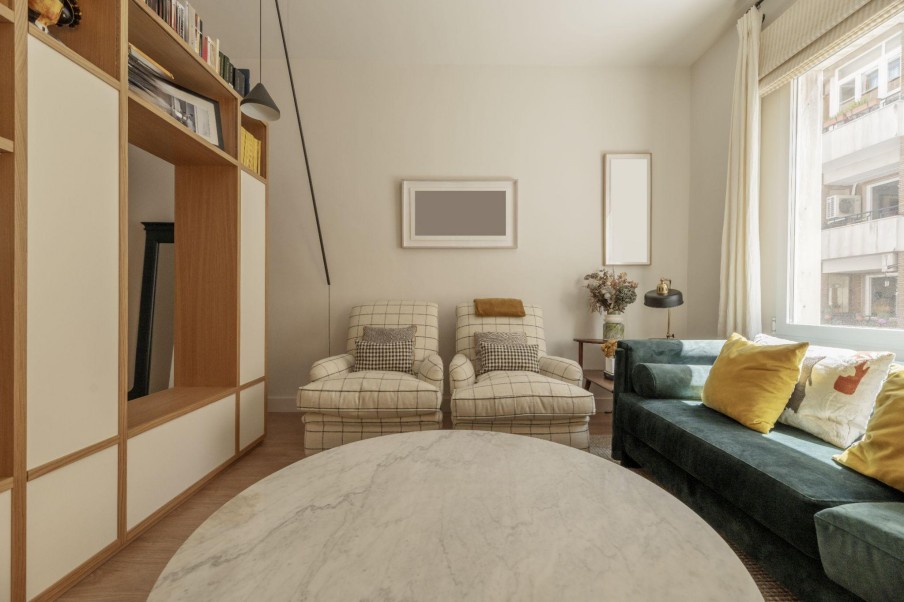
Seeing furniture placed in apartment-like settings helps shoppers judge scale more realistically. A sofa that looks compact in isolation may appear bulky once placed beside a coffee table and rug. These visual cues shape expectations before purchase.
An online furniture store in Singapore becomes a visual reference point. Shoppers begin to recognise how colour, leg height, and arm thickness influence the sense of openness in a room. That awareness gradually improves design judgement, even for people without formal training.
It Encourages Lifestyle-Focused Decisions
Apartment furniture needs to work harder. A living room may double as a dining space, home office, or guest area. Online descriptions frequently include usage suggestions that connect furniture to everyday routines.
When a 3-seater sofa is presented as suitable for lounging, hosting, or compact living rooms, shoppers start evaluating furniture through a functional lens. Instead of asking whether a piece looks appealing, they ask whether it supports how they spend time at home.
This shift feels subtle, yet it transforms shopping behaviour. People become more selective, which reduces clutter and increases satisfaction with fewer pieces.
It Builds Confidence Through Repeated Exposure to Information
Confidence grows from familiarity. An online furniture store in Singapore places materials, care instructions, and specifications in one consistent format. Over repeated visits, shoppers absorb this information naturally.
They begin to understand differences between upholstery types, frame materials, and cushion fillings. This understanding removes much of the anxiety associated with big-ticket purchases.
An online furniture store in Singapore, therefore, functions as an ongoing reference point rather than a one-time shop. That steady access to information empowers apartment dwellers to make decisions that feel grounded rather than impulsive.
Conclusion
Modern apartment living rewards thoughtful planning and practical choices. Digital furniture shopping aligns closely with these needs by encouraging early measurement, careful comparison, and lifestyle-aware selection. Over time, these habits shape homes that feel more intentional and easier to live in. Smarter living emerges from a series of small, informed decisions rather than dramatic transformations.
Contact WTP to explore furniture options that support modern apartment living and practical space use.