
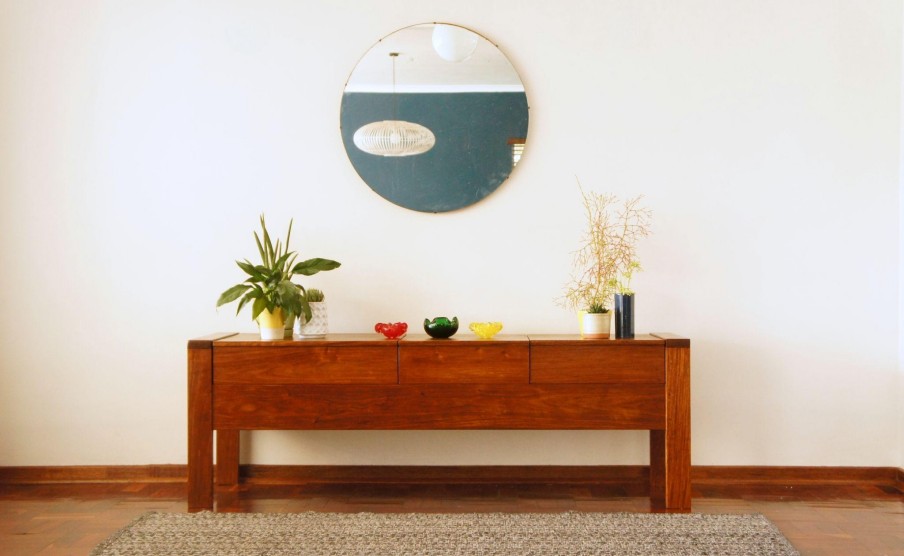

Key Takeaways
- A console table works best when it sits where daily items already land, supporting existing habits instead of forcing new ones.
- Size, height, and materials matter more than style, as the table needs to keep walkways clear and handle regular contact without adding friction.
- The most useful console tables earn their place through routine use, not decoration, helping reduce clutter gradually rather than fixing it instantly.
Introduction
Daily clutter near entryways and living spaces usually signals a missing surface rather than poor habits. Keys, bags, and small items need a place that is easy to reach without disrupting movement through the home. This is why many households start considering a console table, especially in spaces where storage must stay light and unobtrusive. Choosing the right console table in Malaysia becomes less about decoration and more about whether it supports everyday routines without creating new obstacles.
1. Start With Where Items Naturally Land
Before thinking about finishes or styling, notice where daily items already end up, keys land on the nearest flat surface, bags lean against walls, and mail piles up where people pause for a moment. A console table works best when it sits exactly where these habits already exist, not where furniture diagrams suggest it should go. When placement follows behaviour, the table reduces clutter instead of relocating it.
2. Keep Walkways Clear and Predictable
Console tables are frequently placed in confined spaces, like hallways or behind couches, where mobility is more important than appearance. A table that is too deep forces people to sidestep or squeeze past, turning a helpful surface into an obstacle. Slim profiles work better in high-traffic paths, while slightly deeper designs suit wider living areas. The right depth supports movement without changing how people walk through the space.
3. Match Height to How the Area Is Used
Height affects whether a console table feels useful or awkward. Tables placed near sofas should align closely with seat height so items can be reached easily. In hallways, a table that sits too low invites clutter to spread, while one that sits too high becomes inconvenient for daily use. When height matches how hands naturally reach, the table feels intuitive rather than imposed.
4. Decide Early What the Surface Is For
A console table becomes frustrating when its role is unclear. Some households need it to hold daily essentials, while others want it mostly clear with a lamp or tray. Deciding this upfront prevents overbuying or constant rearranging later. Home furniture that reflects a clear purpose stays organised more easily because it works with habits instead of fighting them.
5. Add Storage Only Where It Helps
Shelves and drawers can enhance functionality, but too much storage makes a straightforward piece more difficult to use. In many Malaysian homes, one or two drawers are enough to hide small items without encouraging clutter. Closed storage is appropriate for products that should remain hidden, while open shelves are useful for items that are frequently accessed.
6. Choose Materials That Handle Daily Contact
Console tables near entrances experience regular contact from bags, keys, and shoes. Materials that mark easily demand more upkeep and quickly look worn. Wood offers warmth but shows scratches, while metal and laminate surfaces handle daily contact with less maintenance. Choosing materials based on use rather than appearance alone keeps the table looking appropriate over time.
7. Think About Light, Not Decoration
Lighting affects how a console table functions more than styling does. A dark hallway benefits from reflective or lighter surfaces, while bright spaces can handle matte finishes without feeling heavy. Mirrors and lamps function best when they balance the room or enhance vision, not when they are only there to cover an area. When lighting supports movement and visibility, the table earns its place.
8. Avoid Treating It as a Display Piece
Console tables chosen purely for decoration tend to become cluttered or ignored. When the piece exists only to look good, it often ends up collecting items it was never meant to hold. Furniture chosen for use stays relevant longer because it adapts naturally to daily routines. Practical value keeps the table in use even as tastes change.
Conclusion
Console tables work best when they respond to everyday movement and habits rather than design trends. Many individuals anticipate that a single component will instantaneously solve clutter, but minor enhancements to accessibility and flow are typically what lead to pleasure. When the table fits how a space is actually used, it stops feeling like extra furniture and starts functioning as part of the home. The difference lies in choosing routine instead of appearance.
Contact Harvey Norman to explore console table options that fit real home routines.